
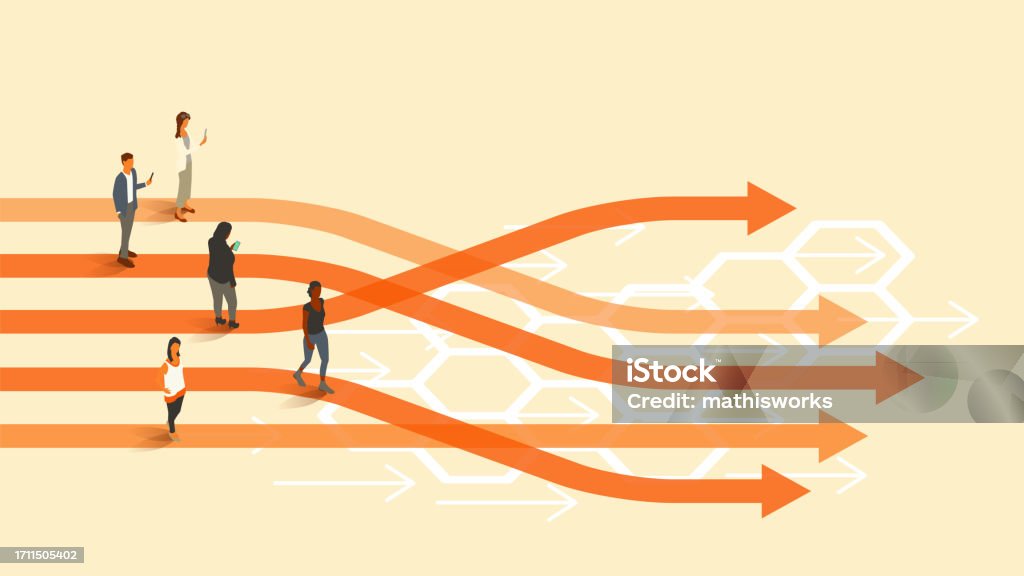

Employment conditions can change unexpectedly because of organizational restructuring, economic uncertainty, technological developments, or shifting business priorities. Even employees who feel secure in their current positions may benefit from maintaining awareness of alternative professional opportunities.
Career cushioning refers to preparing for potential employment changes while continuing to work in an existing role. Rather than immediately searching for a new position, individuals strengthen their professional readiness and maintain options for the future.
Understanding Career Cushioning and Professional Preparedness
1. What Is Career Cushioning?
Career cushioning is a proactive approach to maintaining career flexibility and preparing for possible employment transitions.
It involves activities such as updating professional profiles, developing relevant skills, maintaining industry connections, and monitoring employment opportunities.
Unlike actively planning to resign, career cushioning focuses on being prepared if circumstances change.
For example, an employee may continue performing their current responsibilities while completing a relevant certification or strengthening professional connections.
The objective is to reduce uncertainty by maintaining awareness of available career options.
2. Why Career Cushioning Matters
Employment stability can be influenced by factors beyond an individual's control.
Organizations may restructure departments, change business strategies, introduce new technologies, or reduce certain positions.
Career cushioning allows professionals to prepare for these possibilities without making immediate employment decisions.
Maintaining current skills and professional networks can also help employees recognize opportunities for advancement.
However, career preparation should remain balanced and should not create unnecessary anxiety about hypothetical employment risks.
3. Practical Ways to Build Career Security
Employees can strengthen professional readiness by regularly reviewing their skills, achievements, and career objectives.
Keeping an updated resume and professional profile ensures that important experience is documented accurately.
Developing industry-relevant skills through training, certifications, or practical projects can improve adaptability.
Professional networking also helps individuals remain informed about industry developments and potential opportunities.
Building appropriate financial savings, when possible, may provide additional flexibility during unexpected employment transitions.
4. Balancing Career Preparation with Current Responsibilities
Career cushioning should not interfere with existing professional obligations.
Employees should continue meeting performance expectations, maintaining workplace relationships, and fulfilling agreed responsibilities.
Professional development activities can be organized outside essential working commitments or through approved workplace learning opportunities.
Individuals should also respect confidentiality agreements and avoid using restricted organizational information when exploring future employment.
A balanced approach allows professionals to prepare for change while remaining engaged in their current positions.
FINAL THOUGHTS
Career cushioning provides employees with a practical approach to preparing for uncertain employment conditions.
By maintaining updated skills, professional networks, and accurate career records, individuals can strengthen their ability to respond to future opportunities or unexpected changes.
The objective is not to anticipate job loss constantly but to develop professional flexibility and long-term career resilience.
Consistent preparation can help employees make more informed decisions and approach career transitions with greater confidence.