

Employees do not always need to change jobs to improve their professional experiences. In some situations, adjusting how responsibilities are approached, how workplace relationships are developed, or how tasks are organized can create a more meaningful working environment.
Job crafting refers to employee-initiated changes that help individuals better align their work with their strengths, interests, and professional goals.
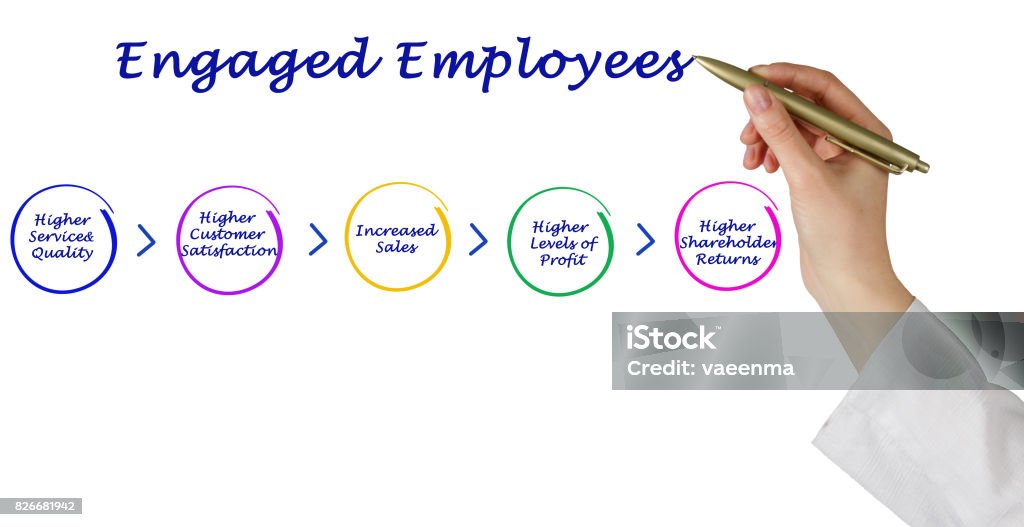
When supported by appropriate management communication, job crafting can contribute to employee engagement and improved workplace experiences.
Understanding Job Crafting and Its Workplace Benefits
1. What Is Job Crafting?
Job crafting involves making intentional adjustments to aspects of an existing role while remaining within appropriate organizational expectations.
These changes may concern task responsibilities, professional relationships, or the way employees understand the purpose of their work.
For example, an employee with strong analytical skills may seek opportunities to contribute to reporting activities alongside existing responsibilities.
Job crafting does not mean ignoring assigned duties or independently changing contractual requirements.
Significant changes should be discussed with managers to ensure they remain compatible with business needs.
2. Understanding Different Types of Job Crafting
Job crafting is commonly discussed through three approaches: task crafting, relational crafting, and cognitive crafting.
Task crafting involves adjusting how appropriate work activities are organized or performed.
Relational crafting focuses on developing or changing professional interactions to support collaboration and learning.
Cognitive crafting involves reconsidering how an employee understands the significance and contribution of their work.
These approaches can help individuals identify opportunities to make their responsibilities more engaging without necessarily changing positions.
3. Benefits of Job Crafting for Employees and Employers
Job crafting may help employees use their strengths more effectively and develop a stronger sense of professional purpose.
Individuals who identify meaningful opportunities within existing roles may experience greater motivation and engagement.
Organizations may also benefit when employees suggest improvements or take initiative in appropriate areas.
However, job crafting should not result in neglected responsibilities, unclear accountability, or unfair workload distribution.
Successful adjustments balance individual development with team and organizational requirements.
4. How to Practice Job Crafting Effectively
Employees can begin by reviewing their responsibilities and identifying tasks that align with their strengths or professional interests.
They should consider which adjustments are realistic and how proposed changes may affect colleagues or business operations.
Discussing ideas with managers helps establish appropriate boundaries and expectations.
Small improvements, such as participating in relevant projects or strengthening collaboration, may provide opportunities for development.
Regular reflection allows employees to determine whether adjustments are improving their work experience.
FINAL THOUGHTS
Job crafting offers employees a practical way to explore greater meaning, engagement, and professional development within existing roles.
By identifying strengths, improving workplace relationships, and making appropriate adjustments to responsibilities, individuals can take a more active role in their professional experiences.
Effective job crafting requires initiative, communication, and respect for organizational expectations.
When approached thoughtfully, it can support employee satisfaction while maintaining productive and responsible workplace practices.