Employee expectations regarding workplace benefits can vary significantly depending on personal circumstances, career stages, and individual priorities. While some employees prioritize healthcare coverage, others may value professional development, retirement contributions, or additional leave. Flexible employee benefits allow organizations to offer a degree of choice within their compensation and benefits programs. This approach can help employers accommodate different workforce needs while maintaining structured benefit policies.
Understanding Flexible Benefits and Employee Compensation
1. What Are Flexible Employee Benefits?
Flexible benefits are workplace arrangements that allow employees to choose from eligible benefit options within an employer-defined framework. Depending on the organization, employees may be able to select different levels of health coverage, wellness support, professional development allowances, or other approved benefits. Some employers provide a fixed benefits allowance, while others offer structured plans with predefined options. The available choices depend on company policies, financial resources, and applicable regulations.
2. Why Employees Value Personalized Benefits
Employees have different priorities based on their lifestyles, responsibilities, and financial needs. A benefit that is highly valuable to one employee may be less relevant to another. Flexible arrangements allow individuals to select options that better align with their circumstances. This can improve the perceived usefulness of employee benefits and help workers understand the value of their overall compensation packages. Clear information is essential so employees can evaluate available options appropriately.
3. How Flexible Benefits Support Employers
Organizations may introduce flexible benefits to strengthen employee satisfaction and improve the competitiveness of their compensation offerings. Providing relevant choices can help employers respond to diverse workforce needs without assuming that every employee values identical benefits. Flexible benefit programs may also support recruitment and retention efforts. However, these arrangements require effective administration, cost monitoring, and clear communication to ensure employees understand eligibility and available choices.
4. Challenges in Managing Flexible Benefits
Flexible benefits can create additional administrative responsibilities for HR and finance departments. Organizations must establish eligibility requirements, monitor benefit costs, manage enrollment procedures, and coordinate with relevant providers. Employers should also consider fairness, legal requirements, and the complexity of explaining different benefit options. Digital benefits administration platforms may help simplify enrollment and record management. A successful program requires practical choices, consistent procedures, and understandable employee communication.
FINAL THOUGHTS
Flexible employee benefits offer organizations an alternative to completely standardized compensation packages. By providing relevant choices, employers can better accommodate different employee priorities while maintaining structured benefits programs. Effective implementation requires transparent policies, financial planning, and reliable administration. When designed carefully, flexible benefits can contribute to employee satisfaction and a more responsive workplace environment
All articles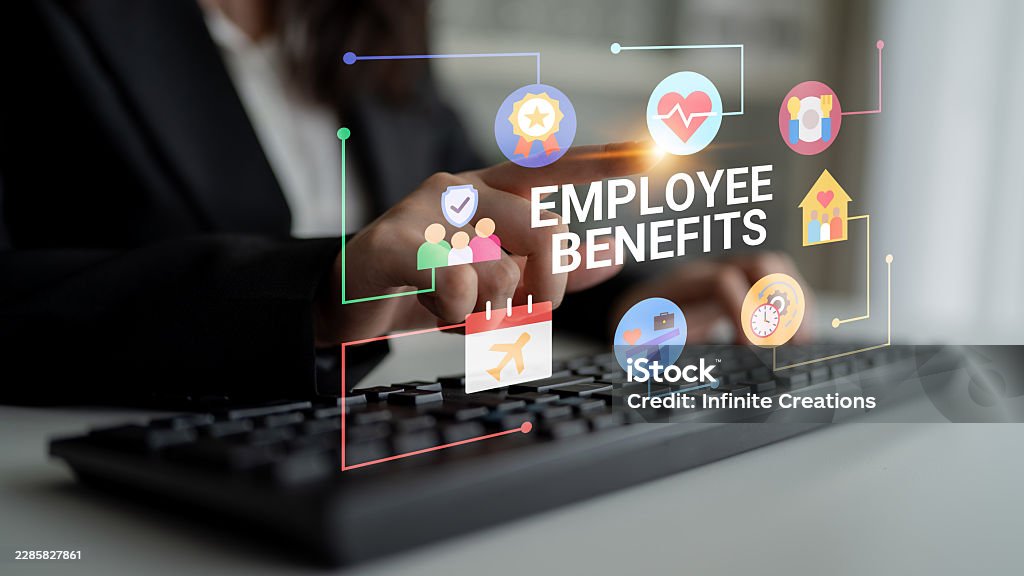
Salary & Career Growth
FLEXIBLE EMPLOYEE BENEFITS: HOW PERSONALIZED COMPENSATION PACKAGES ARE CHANGING THE WORKPLACE
Employee expectations regarding workplace benefits can vary significantly depending on personal circumstances, career stages, and individual priorities. While some employees prioritize healthcare coverage, others may value professional development, retirement contributions, or a…
Sameer Saleem
Oct 31, 20262 min read
The Article
Put this into action
Build a resume that beats the ATS in 2 minutes
JobsterX gives you AI-powered tools to act on everything you just read, get started in minutes.
Try JobsterX