
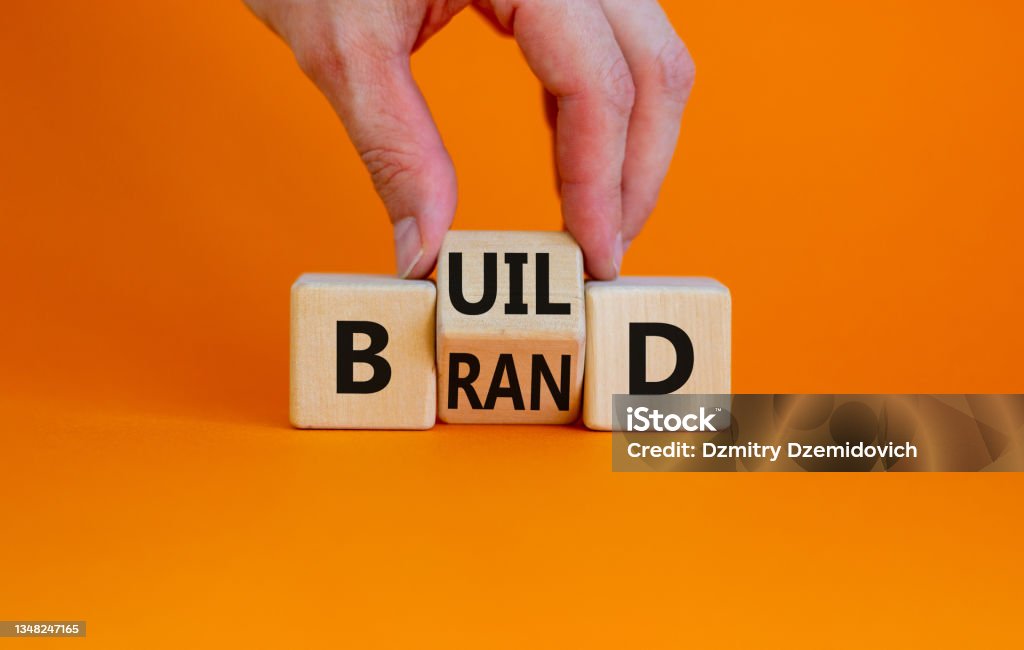

Personal branding usually gets talked about in terms of LinkedIn headlines and content posting. But the most concentrated version of your personal brand isn't your profile, it's the 45 minutes someone spends interviewing you. Every answer you give, from the most basic question to a detailed product strategy walkthrough, is a brand impression. Getting ready for an interview isn't just prep. It's the moment your brand gets tested in front of someone who might advocate for you internally for years afterward.
Here's how to think about interview prep including PM-specific rounds as part of your broader brand, not a separate task from it.
The Basics Set Your Baseline Brand
Basic question and answer moments "tell me about yourself," "why this role," "what are your strengths" feel low stakes, which is exactly why people under-prepare for them. But these are often the first real data points an interviewer has about who you are beyond your resume. A vague, rambling answer to a basic question sets a weaker baseline than a sharp, specific one, even if your technical answers later are strong.
Think of your answer to "tell me about yourself" as a compressed version of your professional narrative the story you'd want a former interviewer to still remember and repeat if your name came up in a hiring conversation two years later. That's the actual test: not whether you answered correctly, but whether the answer was memorable and consistent with how you want to be known.
Product Manager Interview Prep: Branding Around Judgment
Product manager interview prep tends to focus heavily on frameworks prioritization matrices, metrics design, product sense questions. But underneath the frameworks, what's really being evaluated is your judgment, and judgment is a brand trait that follows you well past the interview.
A PM candidate who can clearly explain why they prioritized one feature over another, including the trade off they consciously accepted, builds a brand of someone who thinks in trade offs rather than absolutes. That's the kind of reputation that gets you looped into strategic conversations later, referred for other roles, or remembered favorably by an interviewer who ends up at a different company down the line.
Project Manager Interview Prep: Branding Around Reliability
Project manager interview prep often overlaps with PM prep in structure, but the brand being built is different. Where product management rewards vision and prioritization, project management interviews are usually testing something closer to reliability under constraint how you handle a slipping timeline, a resource conflict, or a stakeholder who keeps changing scope.
Answering these clearly, with specific examples of how you kept a project on track despite friction, builds a brand of dependability. That's not a lesser brand than "visionary" it's just a different professional reputation, and it's worth being intentional about which one your answers are actually projecting, especially if you're interviewing for both types of roles in the same search.
Your Resume Is Also a Branding Document
It's easy to think of a resume as a formality, the thing that gets you to the interview, not part of the brand itself. But the language you use, the outcomes you highlight, and even the structure signal something about how you think. An ai resume tool can help here, but only if you use it to sharpen your actual narrative rather than to generate generic, keyword-stuffed bullet points that could describe anyone.
The goal isn't just to pass an ATS filter, it's to have your resume read like a consistent extension of the same person an interviewer will meet later. If your resume reads as data-driven and precise, and then your interview answers are vague and unstructured, that inconsistency is itself a small brand problem. Tools that help tailor your resume to a specific role can also help you notice which of your own experiences are actually worth leading with which is useful branding clarity even before the interview happens.
Networking Before You Ever Get to the Interview
Personal branding and networking aren't separate from interview prep often, they determine whether you get the interview at all. A warm introduction from someone in your network, or a brief informational conversation before applying, means your name arrives with context attached, rather than as a cold resume in a pile.
This is where consistency matters most: if a mutual connection describes you one way in a referral message, and your interview answers project something different, that gap gets noticed. Getting ready for an interview should include a quick check. Does the story I'm about to tell match how the people who referred me actually describe me?
Keeping Your Brand Consistent Across Every Touchpoint
A few practical ways to keep your brand aligned from resume to network to interview room:
Use similar language across your resume, LinkedIn summary, and interview answers not identical, but consistent in what you emphasize.
Pick two or three core strengths you want to be known for, and make sure your basic interview answers, your PM or project manager examples, and your resume bullets all reinforce them.
Ask people in your network how they'd currently describe you professionally if it doesn't match how you're positioning yourself in interviews, that's worth addressing before your next round.